Renovations

Renovations refer to the restoration, upgrading, or repair of existing building infrastructure or other types of constructions to ensure their functionality and compliance with modern needs or standards. They focus primarily on maintaining and improving the current condition, serving as a strategic step that promotes long-term sustainability, development, and quality of life.

Modern Renovations for Safe and Functional Spaces

Renovation as a Driver of Development

Renovating building infrastructure is crucial for enhancing performance and supporting the continuous growth of any organization or city. By upgrading spaces and systems, energy efficiency is improved, resources are used more effectively, and the quality of services provided is elevated. Renovating older infrastructure ensures that it continues to meet modern requirements.

Safety and Protection in Infrastructure

The protection of users and employees who utilize a building infrastructure or other types of constructions is one of the most important factors in deciding to renovate. Upgrading infrastructure ensures even greater safety. For example, improvements can be made to the fire safety system, the electrical network, or even structural stability, so that the infrastructure provides security for everyone.

Sustainability and Eco-Friendly Solutions

Modern renovations emphasize “smart” and sustainable practices. Energy upgrades, the use of recyclable materials, and the reduction of the energy footprint contribute both to cost savings and environmental protection. In this way, infrastructure becomes more eco-friendly and aligns with the principles of sustainable development.

Renovation for Competitiveness and Growth

Renovation goes beyond improving safety or energy efficiency; it also fosters innovation. The introduction of “smart” technologies and new tools increases productivity, enhances functionality, and provides a better user experience. At the same time, spaces gain a modern aesthetic and flexibility, ready to meet future needs.

Datakat is the ideal choice for this type of renovation. Our company’s competitive advantage, specializing in “smart” infrastructure, lies in its ability to adapt to the unique needs of each client, providing solutions that incorporate innovation, safety, and reliability. With Datakat, you can be confident that your renovations will be carried out with maximum performance and infrastructure safety in mind, helping you strengthen your competitiveness in the marke

“Miltiadis Evert” Amphitheater

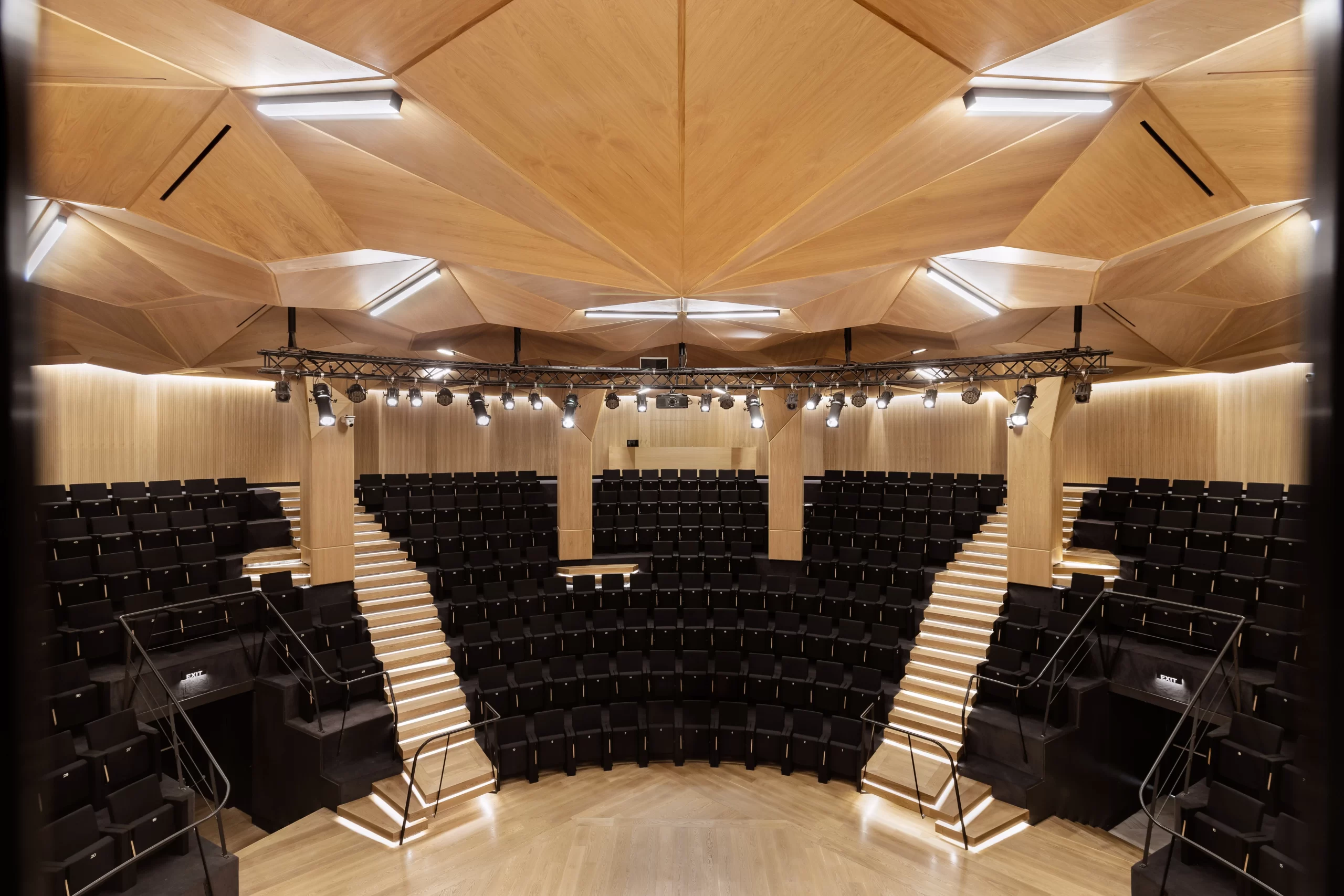
One of the projects we are particularly proud of, is the fully renovated “Miltiadis Evert” Amphitheater at the Technopolis of the City of Athens, which was delivered in early 2020.
Ten Months of Extensive Work

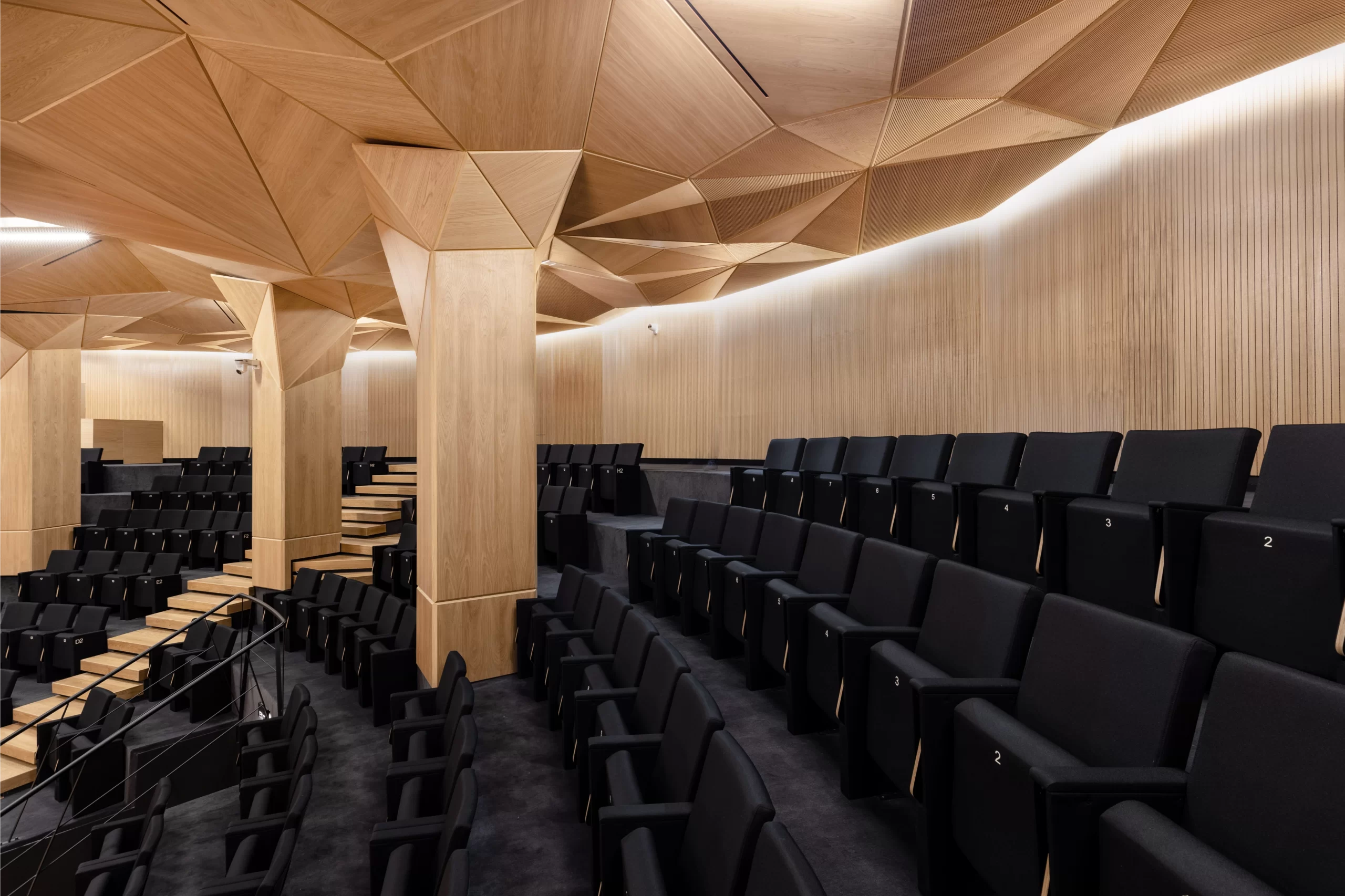
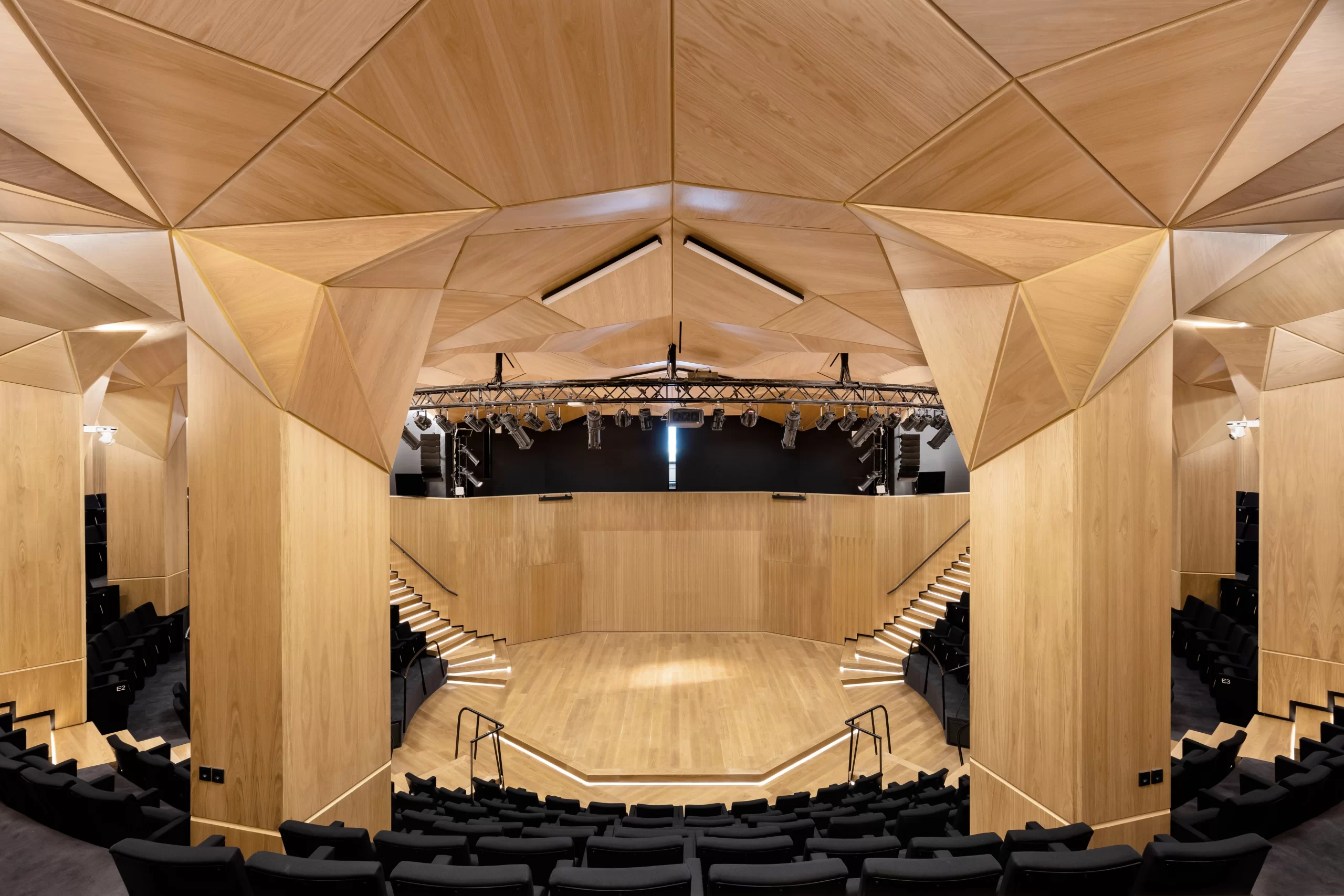
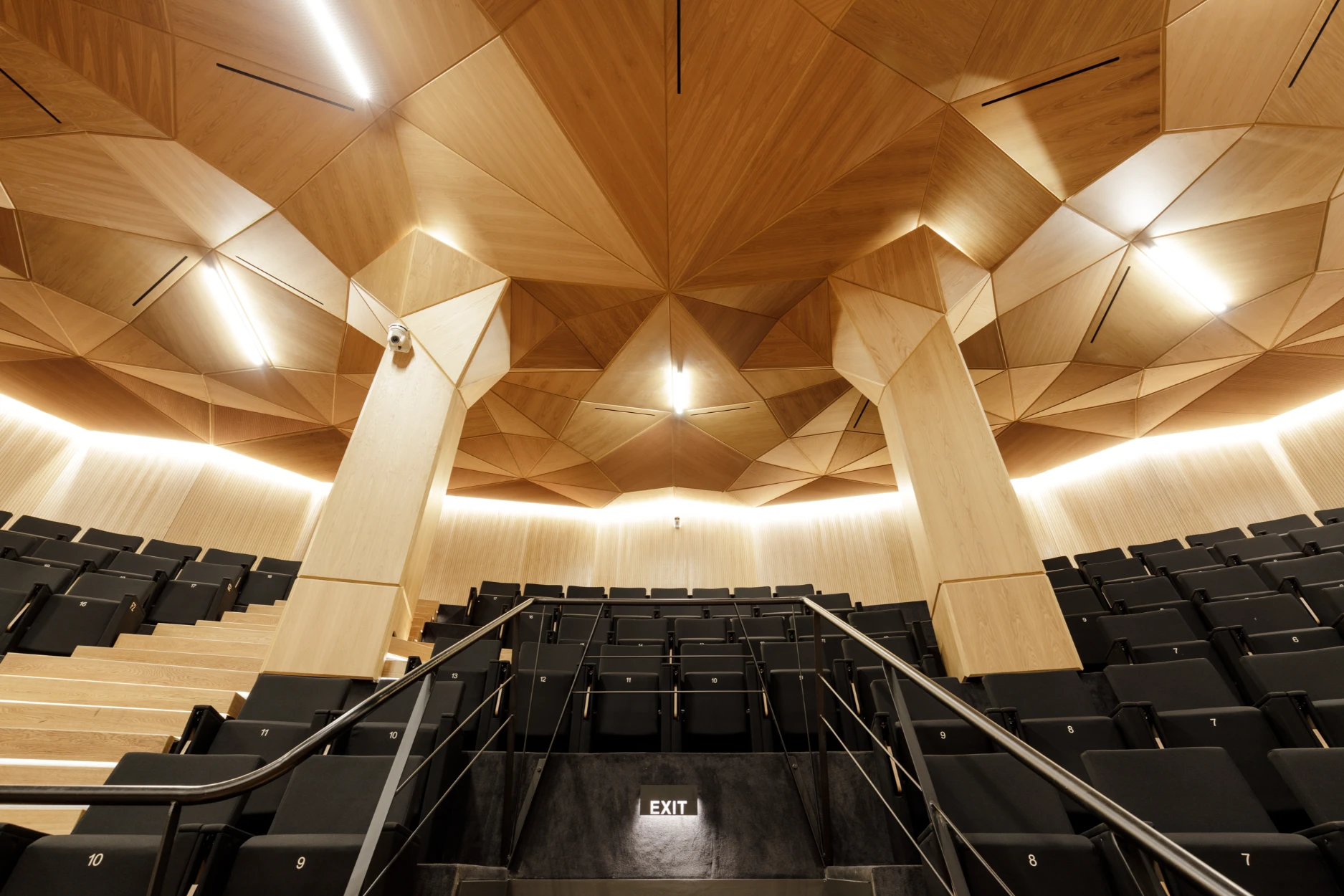
The renovation, completed over a period of ten months, included significant works such as the installation of new lighting, the construction of the stage, and the refurbishment of all wooden surfaces on the floors and surrounding panels of the amphitheater, designed for improved sound absorption. The materials used are internationally recognized and have been installed in prestigious projects worldwide.

A Modern and Accessible Venue

The renovated amphitheater now has 300 seats and meets the latest standards for easy access for individuals with disabilities. The elevated stage and advanced audiovisual equipment make it ideal for hosting high-demand events such as conferences and musical performances. In addition, the facility has been energy upgraded, ensuring energy autonomy according to international standards.

Acoustics and Aesthetics in Perfect Harmony

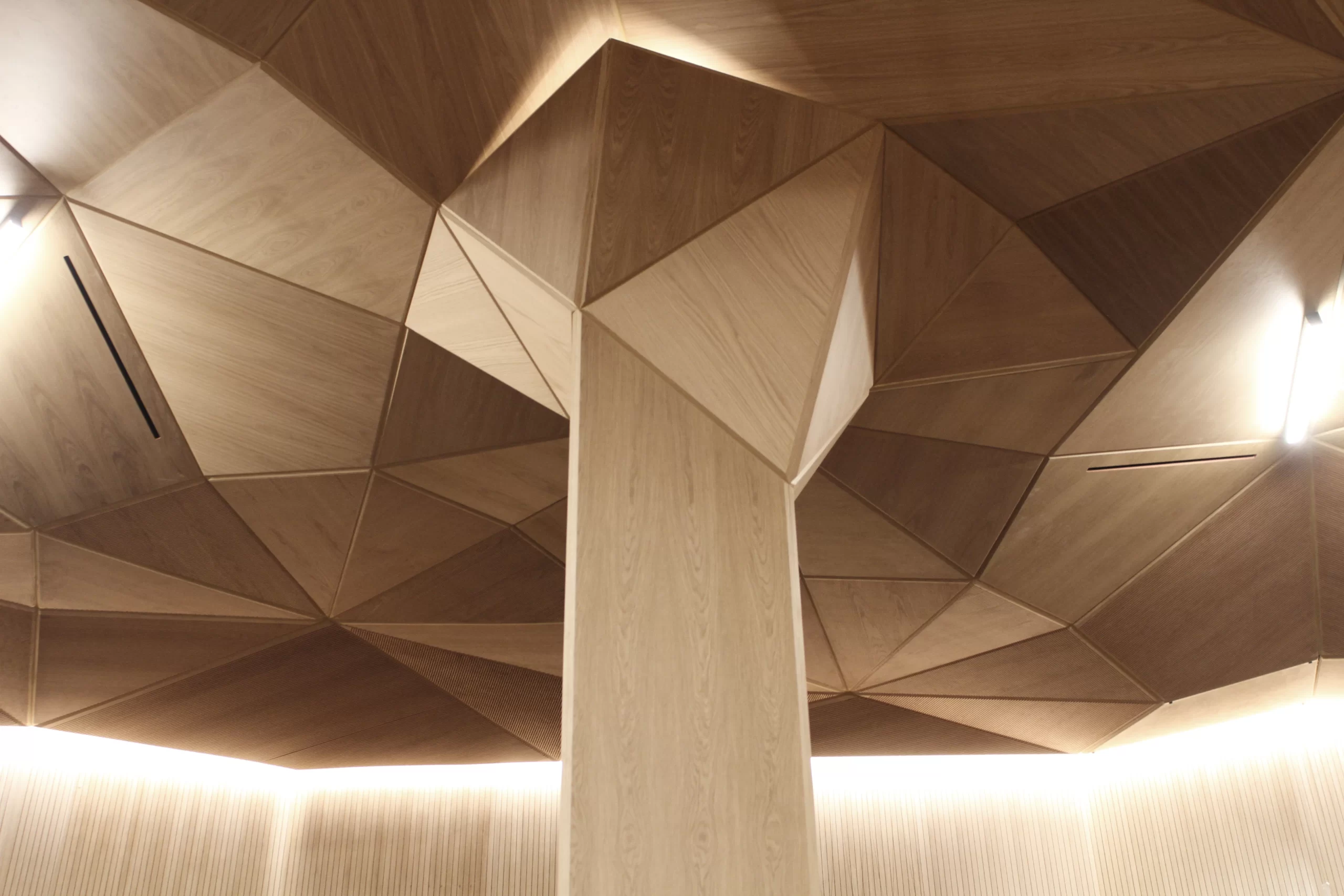
The amphitheater’s ceiling, composed of 564 panels, enhances the passive acoustics of the space, while the diffused lighting and warm materials chosen give the venue a modern aesthetic. This design perfectly aligns with the amphitheater’s status as one of Athens’ most popular destinations, attracting approximately 1 million visitors annually.

New Hospitality and Comfort Facilities

Following the renovation, the amphitheater now features two new foyers with cafés, seating areas, cloakrooms, and screens that allow live-streaming of events from the main hall.