
Harnessing the Wind: Innovation in Clean Energy
Wind energy is no longer a futuristic ideal—it’s today’s most viable solution to the world’s growing demand for clean, reliable electricity. Using the natural power of the wind, modern turbines convert air movement into electricity, fueling homes, businesses, and industries without polluting the planet.
With zero emissions, low operational costs, and a nearly unlimited resource, wind energy stands at the forefront of the green energy movement. In Greece and around the world, massive investments and rapid technological advances are turning wind into a cornerstone of national energy strategies. As the cost of production continues to fall, the momentum behind wind energy is only getting stronger.
Top Advantages of Wind Power
Clean Energy, Clear Advantages
Energy Independence
Wind energy reduces reliance on imported fossil fuels, boosting national energy security and protecting against global market volatility.
Sustainable and Cost-Effective
Wind is an inexhaustible resource, and wind turbines require no fuel beyond the initial infrastructure, making wind energy increasingly affordable over time.
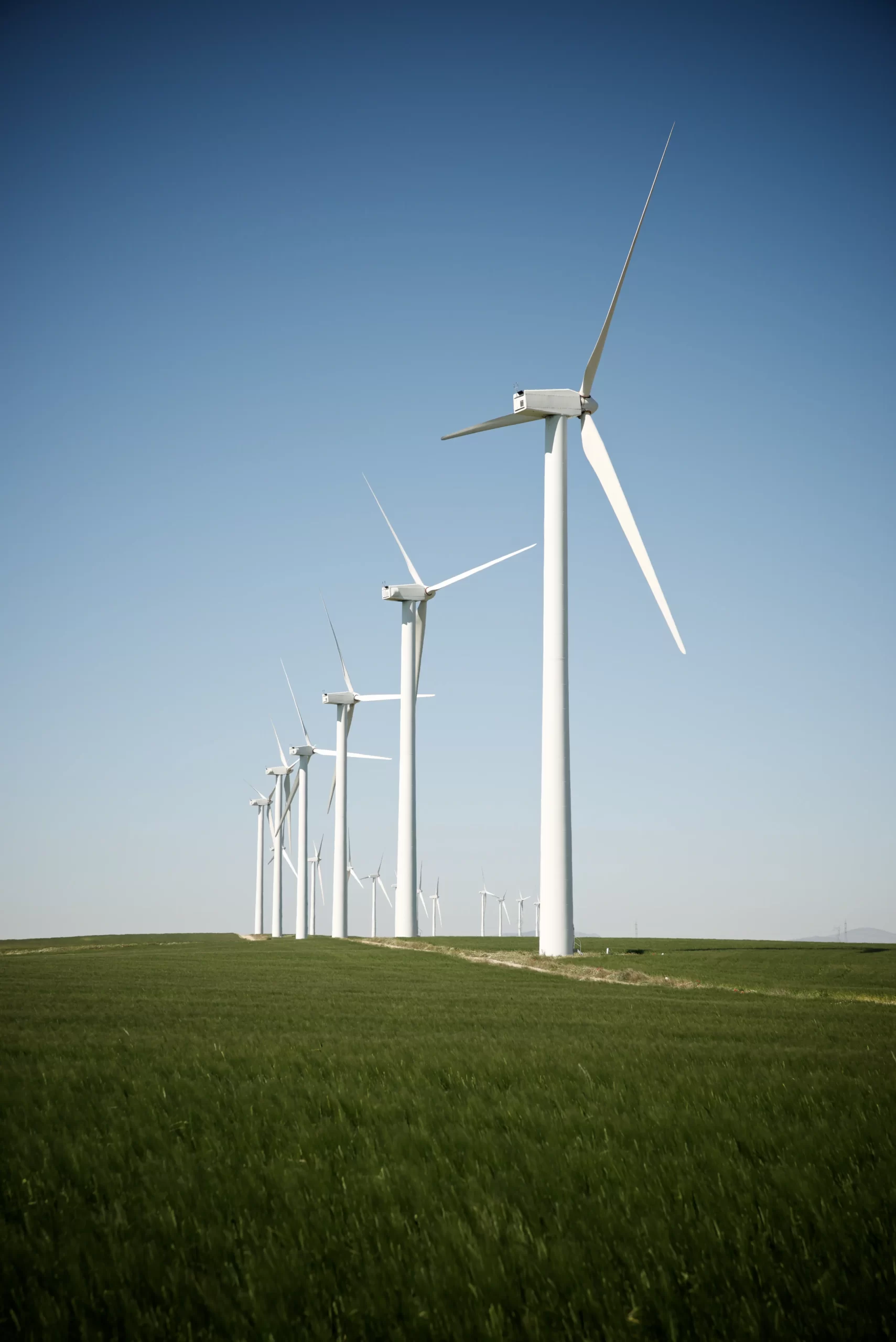

Technological Advancement
Continuous innovation has driven wind turbines from 25 kW to 2,500 kW capacities, while cutting generation costs by over 60% since 2009, making wind one of the most efficient energy sources.

Significant Market Growth
Wind power already supplies over 20% of Greece’s electricity. With €9.5 billion invested in renewables and offshore expansion underway, wind energy is becoming a key economic driver.
With decades of experience and a track record of delivering large-scale renewable energy projects, From planning and engineering to execution and compliance, we bring unmatched technical know-how and strategic insight. Investors and stakeholders rely on Datakat to turn complex energy visions into real, bankable results.
What is wind energy and how does it work?
Wind energy is harnessed through wind turbines that convert air movement into mechanical energy and then into electricity via a generator. It feeds directly into the power grid.
Why is wind energy considered eco-friendly?
Because it produces no emissions during operation, requires no fuel, and contributes to reducing dependence on fossil fuels.
Is wind energy economically viable?
Yes. The cost of wind energy has steadily declined due to technology improvements and the absence of ongoing fuel costs, making it one of the cheapest electricity sources globally.
How widespread is wind energy in Greece?
Greece has more than 3,000 operational wind turbines producing over 5,326 MW, contributing over 20% of total electricity. The sector is growing with major offshore projects planned.
What are the future projections for wind energy in Greece?
By 2030, wind and solar energy are expected to make up 68% of Greece’s energy mix—rising to 85% by 2050.
What role does Datakat play in wind energy projects?
Datakat provides trusted expertise in wind energy investment, helping clients navigate and benefit from this fast-evolving market.